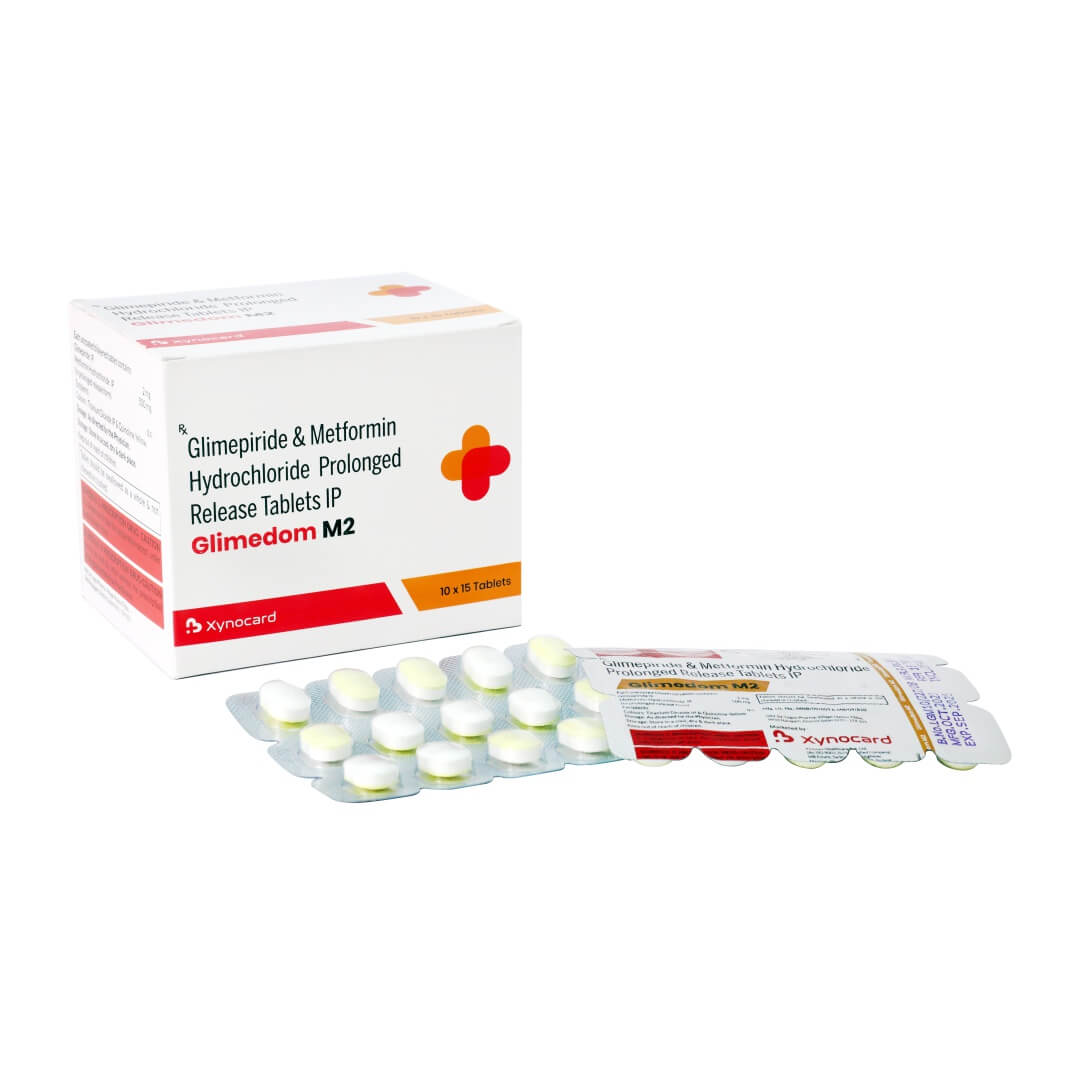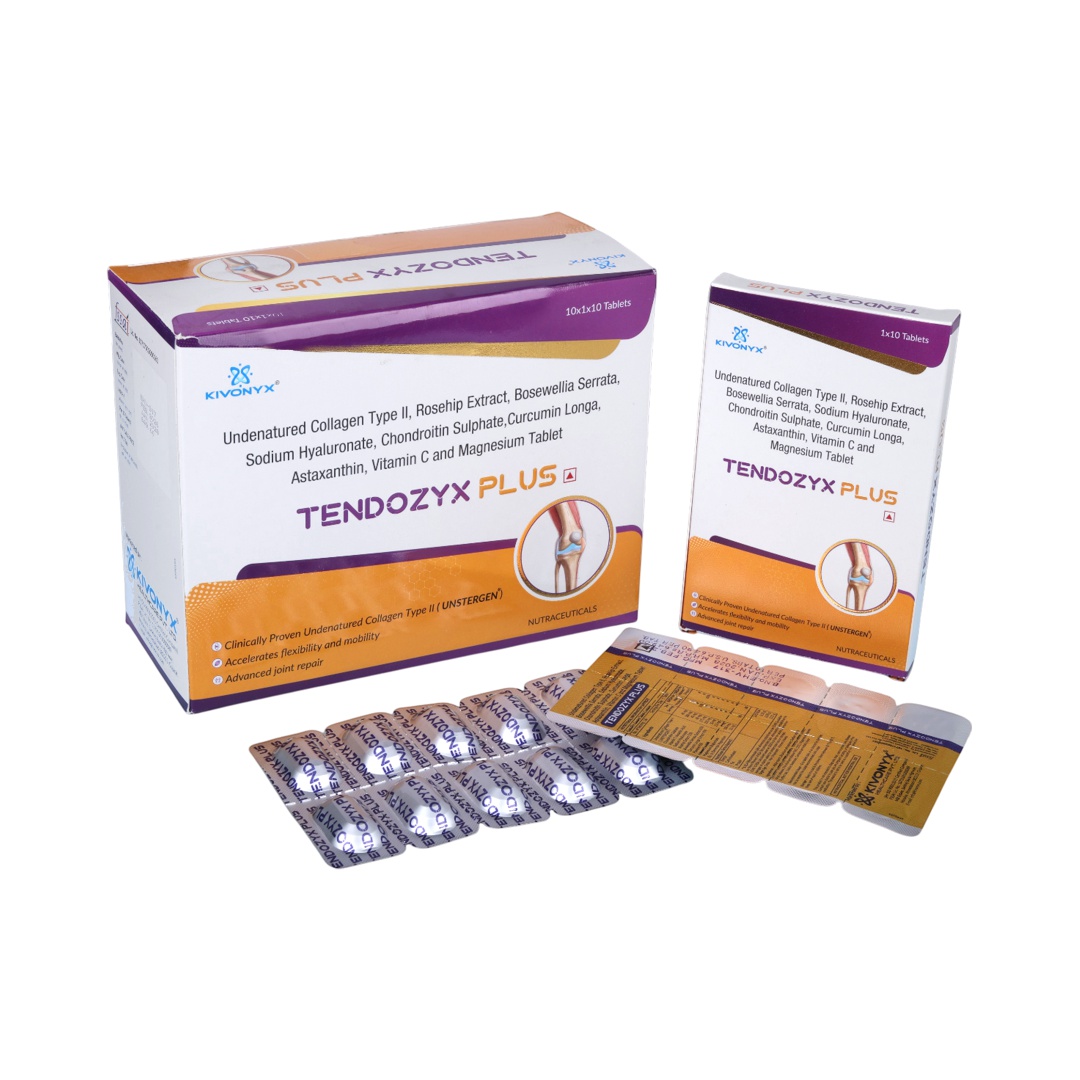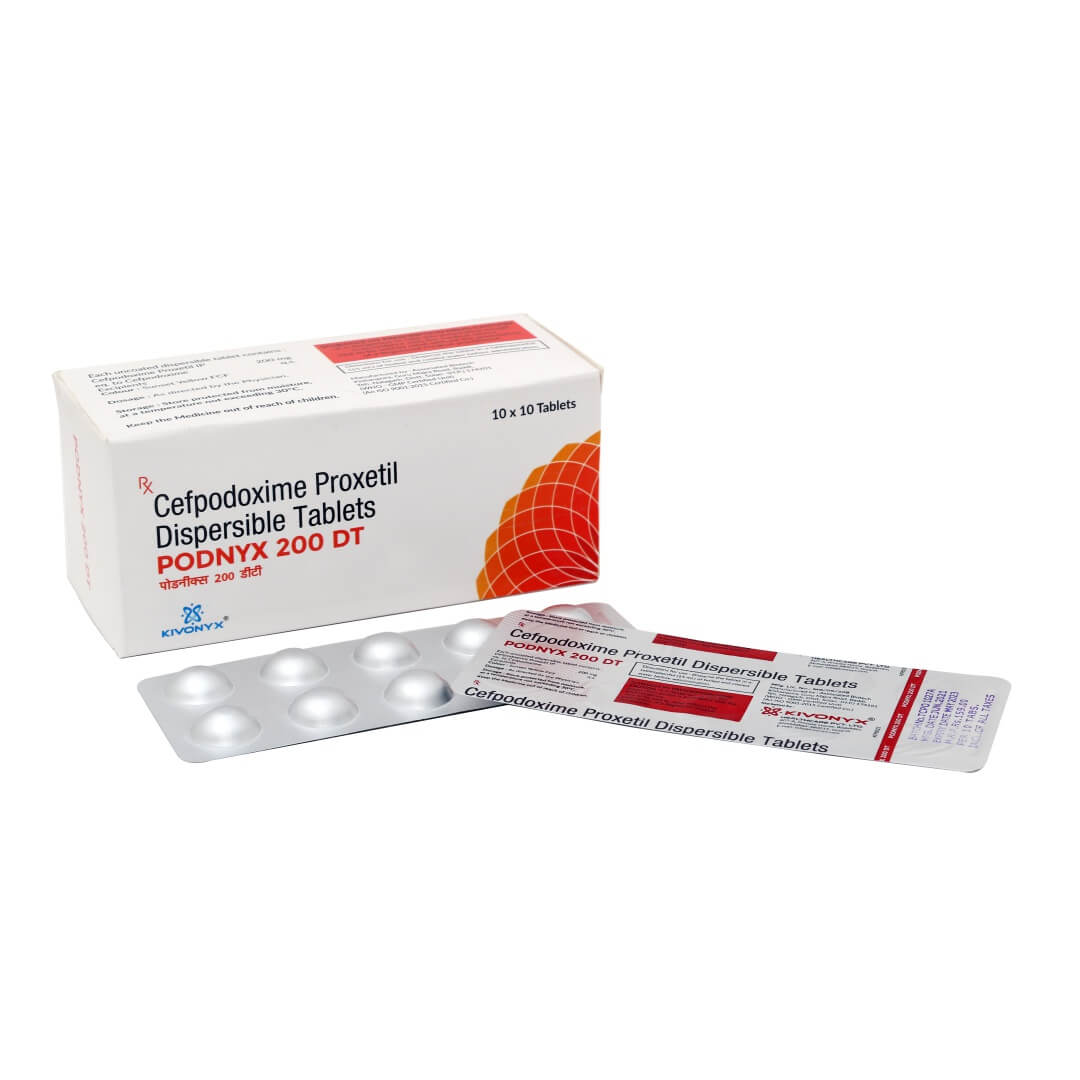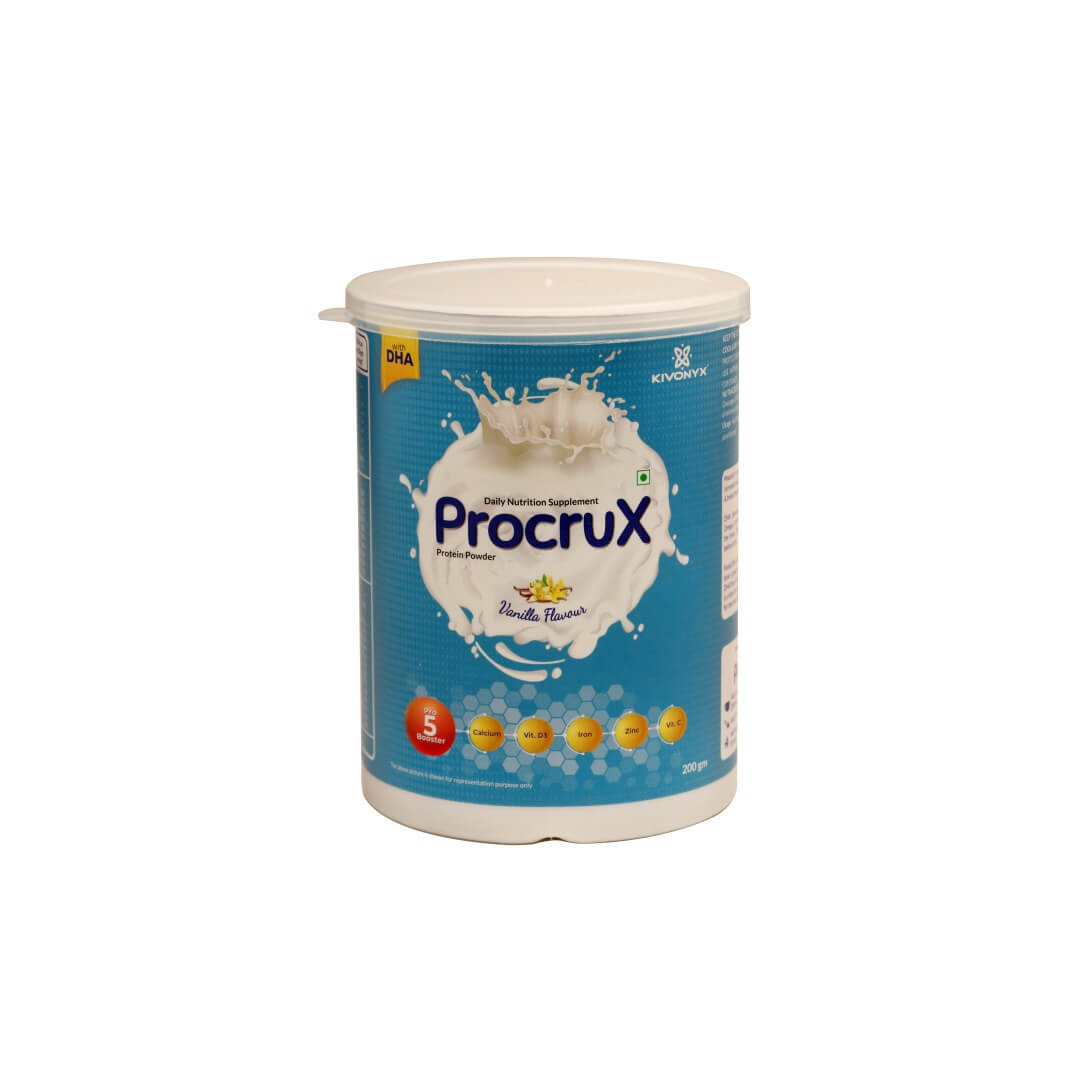





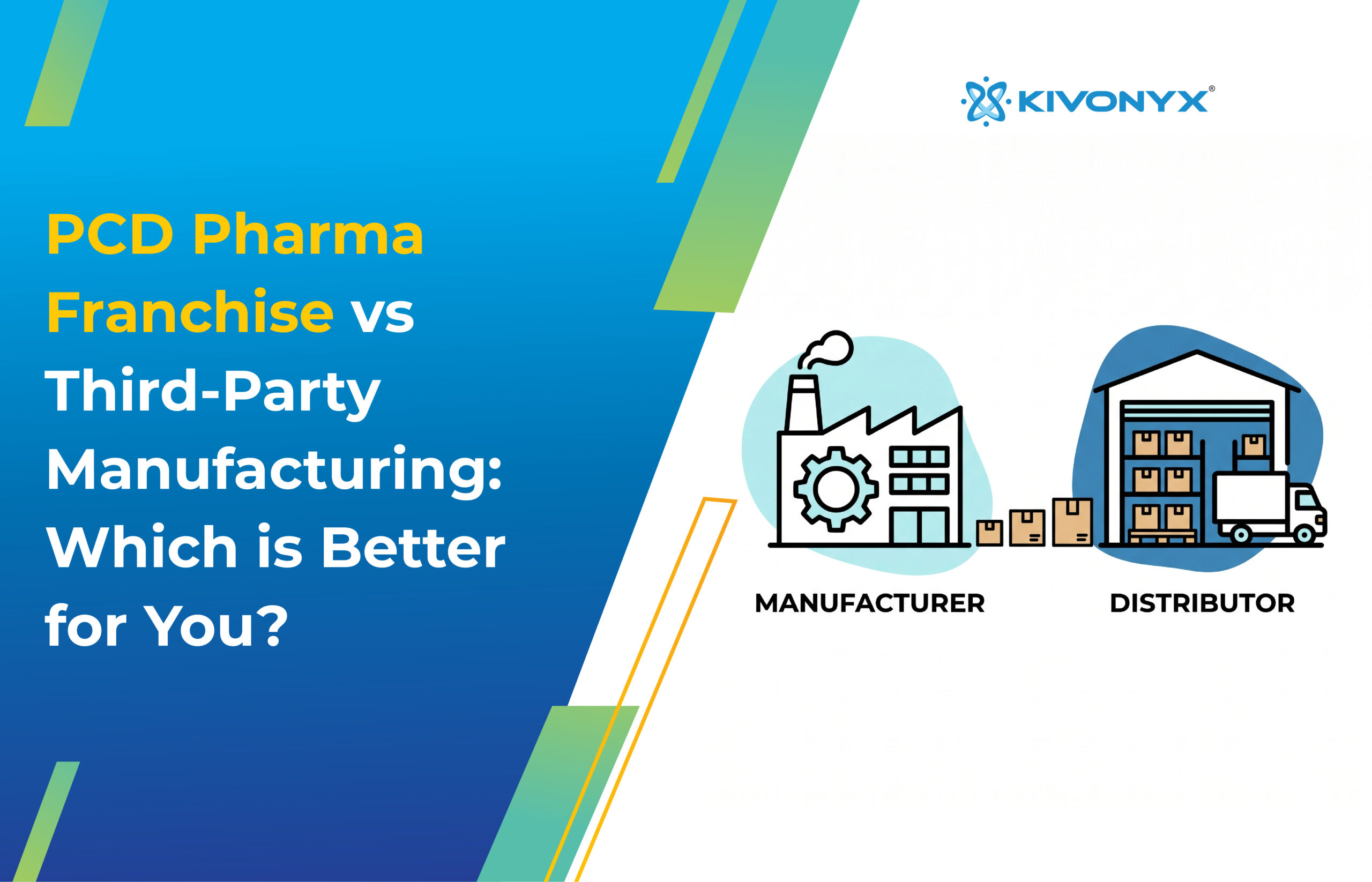
In 2026, the pharmaceutical industry in India is growing rapidly, and in this context, PCD pharma franchise vs third-party manufacturing is a common comparison among entrepreneurs and healthcare professionals who are looking to start a pharma business. According to the Indian Brand Equity Foundation (IBEF), the Indian pharmaceutical market is expected to reach USD 130 billion by 2030, driven by strong demand in India and increasing exports. Because of this, several aspiring entrepreneurs and healthcare professionals are looking for ways to make an entry into the pharma business.
Both business models, PCD pharma franchise and third-party manufacturing, offer a way to start a pharma business without investing in your own manufacturing facility. But understanding the difference between the two business models can help you to choose the best option that suits your investment, business goals, and long-term growth plans.
In this blog, we have provided a detailed comparison of PCD pharma franchise vs third-party manufacturing and which one is better for you. This will help you to choose the reliable business model.
What is a PCD Pharma Franchise?
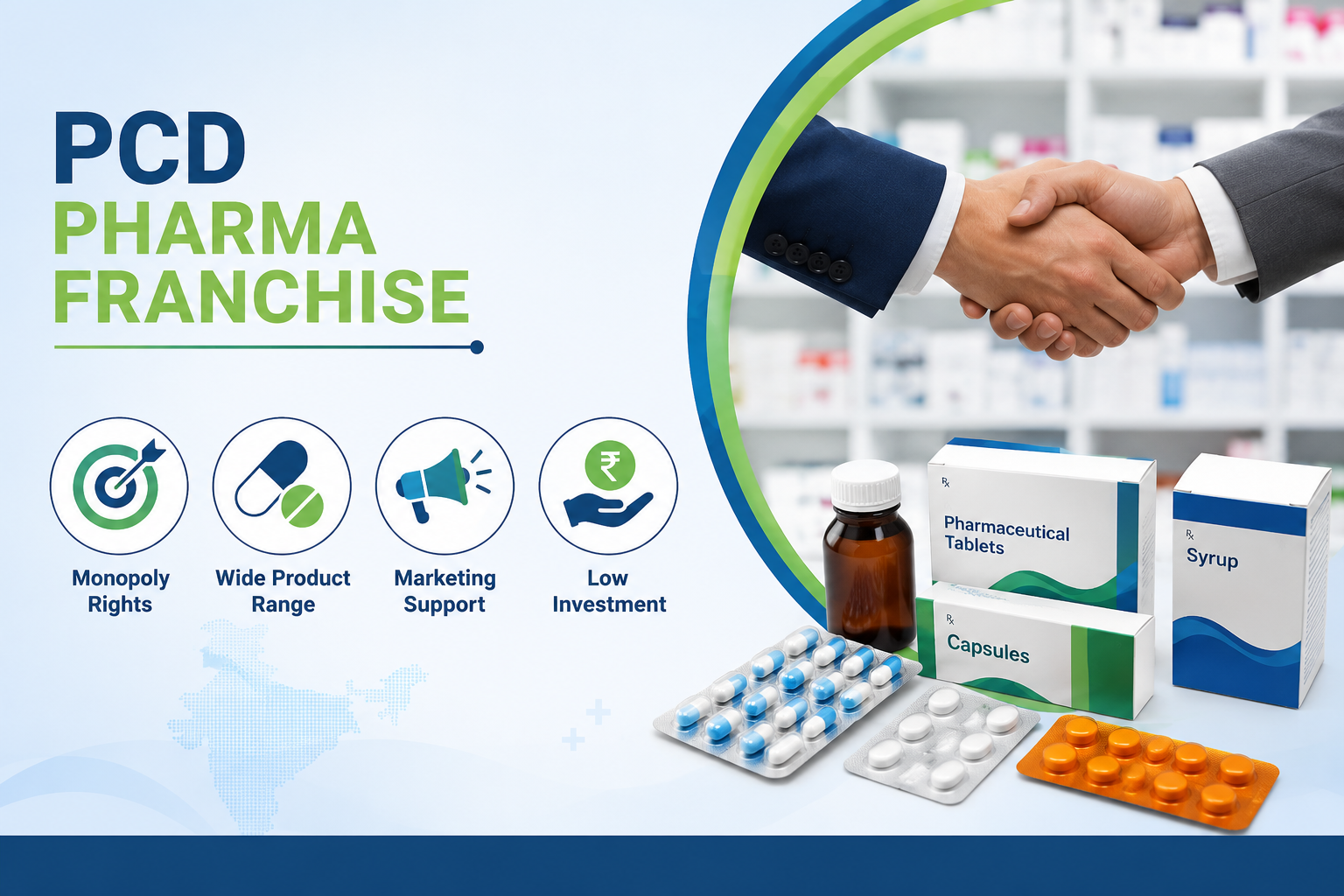
A PCD Pharma Franchise stands for the word Propaganda Cum Distribution Pharma Franchise. This is a business where a pharmaceutical company appoints a Franchise Partner for marketing and distribution of its pharmaceutical products in a defined territory. The PCD Franchise Partner has to purchase the products from the Parent company and then sell the same in their territory under the brand name of the Parent company.
PCD Pharma Franchise is one of the most sought-after business models all across India due to its very low investment & a pre- established product portfolio.
Key Aspects of a PCD Pharma Franchise:
- A guaranteed Monopoly for the assigned territory
- A pre-established product portfolio
- Marketing & promotional support by the pharmaceutical company
- Low investment (no production facilities)
The business partners are basically concentrated on sales, marketing and distribution of the pharmaceutical products, and it is the company that takes the responsibility for production, quality control, and government approval of pharmaceutical products.
What is Third-Party Manufacturing?
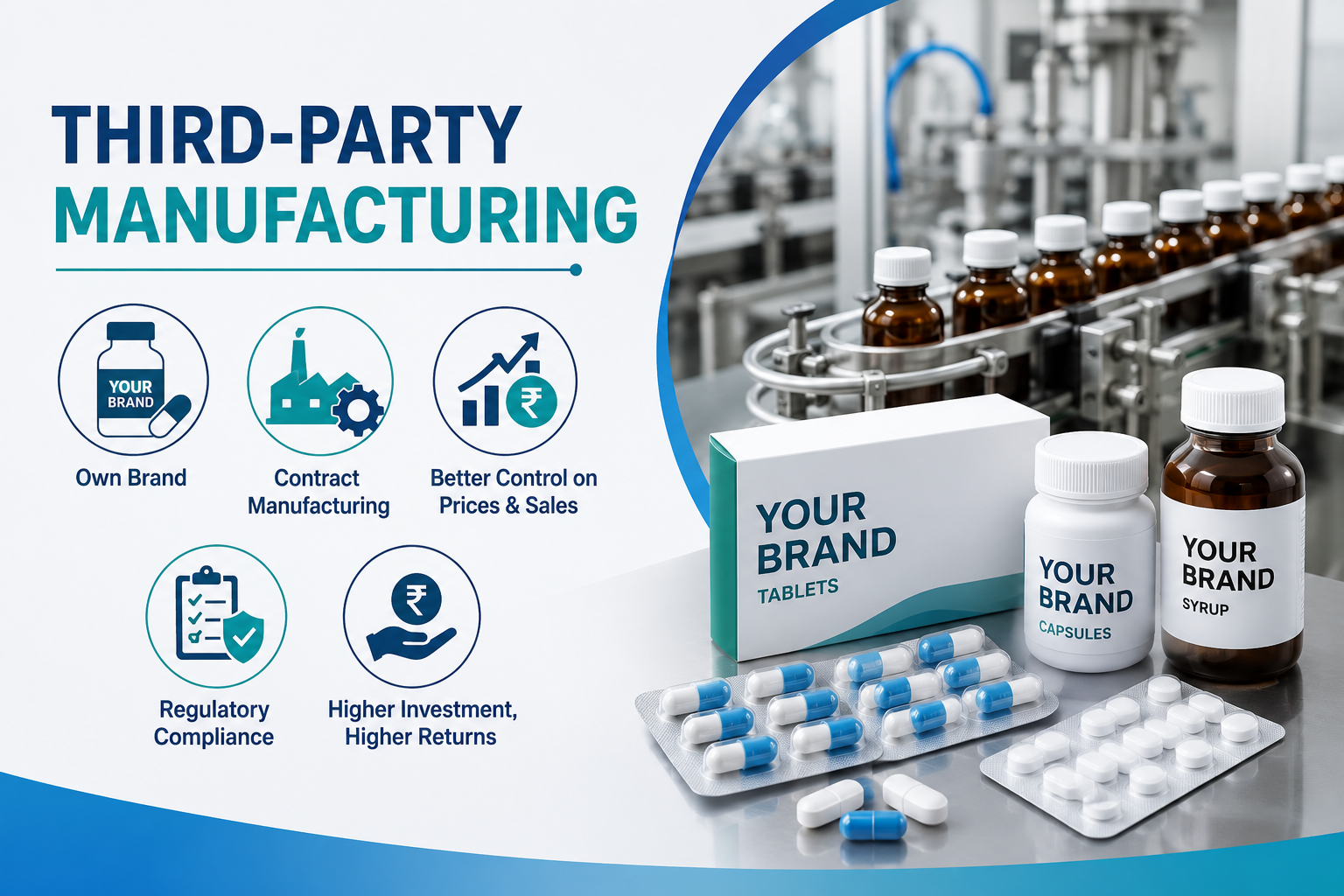
Third-party manufacturing, also called contract manufacturing, is a model where a business owner hires an external manufacturer to produce drugs that are then sold under the owner’s own brand.
Since India has a strong manufacturing infrastructure and regulations, it is a key contract manufacturer; the Department of Pharmaceuticals of the Government of India claims there are over 3,000 pharmaceutical companies in India with about 10,500 units, making production outsourcing easier and convenient.
Key Aspects of Third-Party Manufacturing:
- Total ownership of product branding
- Possibility to establish your own pharmaceutical brand
- Increased control of the market prices and sales efforts
- Product registration and regulatory compliance needed
- Increased investment as compared to the PCD franchise.
Third-party manufacturing is usually selected by businesses that want to develop their own pharmaceutical brand on the market.
PCD Pharma Franchise vs Third-Party Manufacturing: Major Differences

| Factor | PCD Pharma Franchise | Third-Party Manufacturing |
| Business Type | Distribution model | Brand ownership model |
| Investment | Low | Moderate to high |
| Brand Ownership | Company brand | Your own brand |
| Manufacturing Responsibility | Handled by the parent company | Handled by a contract manufacturer |
| Marketing Responsibility | Franchise partner | Brand owner |
| Risk Level | Lower | Higher |
| Profit Potential | Moderate | Higher in the long term |
Investment Comparison
Investment for PCD Pharma Franchise
Investment in setting up a PCD Pharma franchise is normally in the range of ₹50,000-₹2,00,000 based on the product portfolio and company practices.
Major costs would be:
- Initial purchasing of products
- Drug License and GST registration
- Marketing collaterals
- Distribution expenses
Since the company would provide the brand, promotional support and portfolio of products, the investment would be comparatively low.
Third-Party Manufacturing Investment
Third-party manufacturing requires a higher investment since you are building your own brand. Higher investment since you are building your own brand.
You generally have to invest somewhere between ₹3 lakh and ₹15 lakh, based on:
- The product development
- Packaging design
- MOQs (Minimum Order Quantities)
- Marketing activities
- Regulatory requirements and submissions.
You also need to do branding and distribution by yourself.
Profit Potential Comparison
PCD Pharma Franchise
Generally, the profit margins are about 15%-40%, depending on the product and marketing strategy.
As the brand is already known to the customers, the entry into the market becomes faster, and revenue generation is also smooth and continuous.
Third-party Manufacturing
Long-term higher profit generation can be obtained here, as the ownership of the brand lies with you.
Profit margin is up to 50% and more as the brand grows and the demand goes up.
But the initial risk and marketing pressure are quite high.
Which Model is Better for Beginners?
If someone is new to the business of pharma, a PCD Pharma Franchise is often the preferred choice of commencement. This is primarily due to:
- Lower investment cost
- Easy operational control
- Established support of the brand
- Speedy market entry
Doctors, medical representatives, and healthcare entrepreneurs commonly choose this approach to embark on the journey of pharma.
When Should You Choose Third-Party Manufacturing?
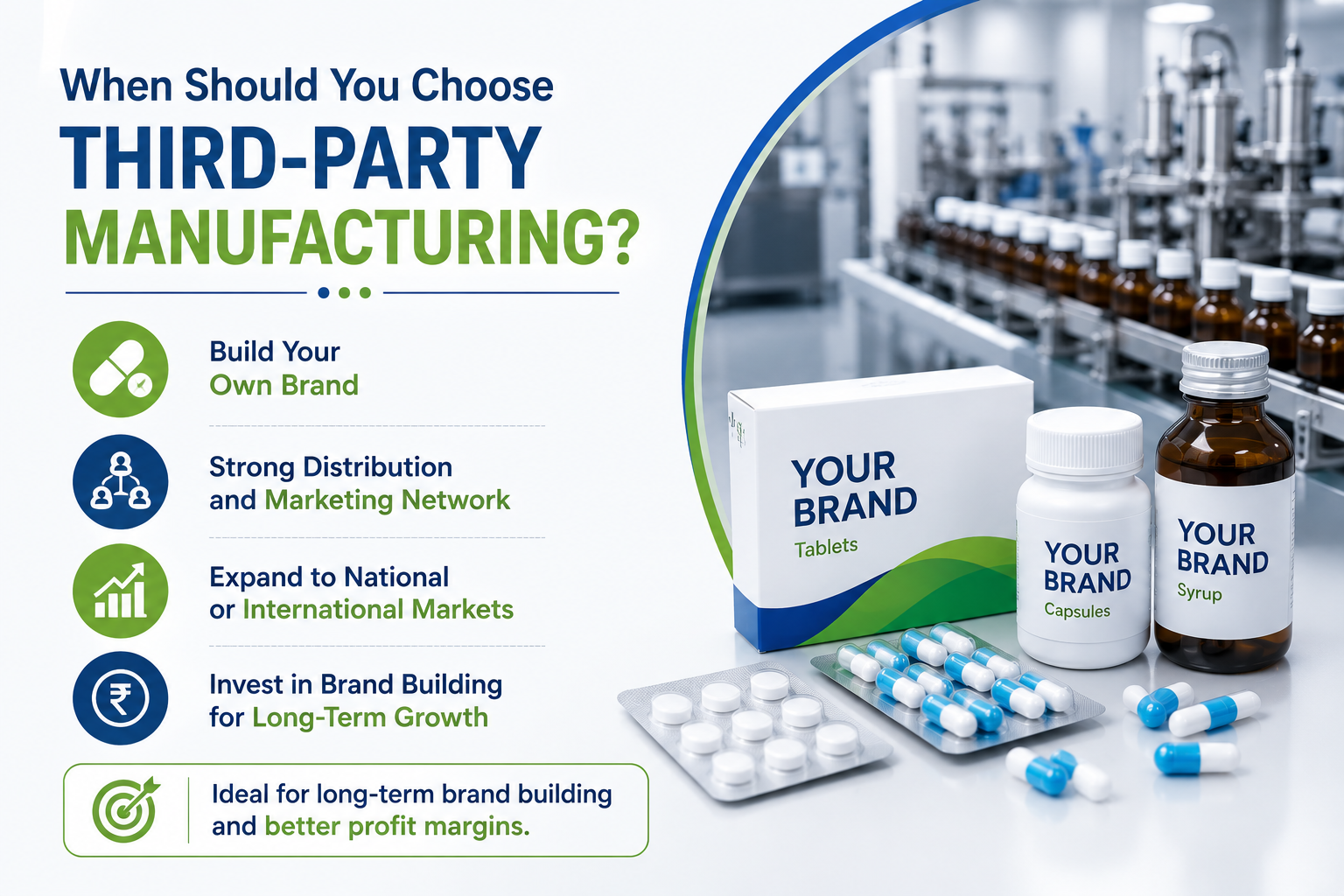
You can opt for contract manufacturing if you:
- Wish to develop your own brand of drugs.
- Have an established distribution channel/marketing network;
- Intend to expand to national or international levels.
- And have the funds to spend on brand building and marketing efforts.
This model is ideal for long-term brand building and a better profit margin.
Market Growth Supporting Both Models
India maintains its status as a leading pharmaceutical nation. The India Brand Equity Foundation states that India provides more than 50% of worldwide vaccine needs and supplies 40% of the generic medications used in the United States, and India accounts for 20% of the global distribution of generic drugs.
The franchise distribution business and the contract manufacturing business both receive significant benefits from the rapid growth that this industry development brings.
Conclusion
When comparing the PCD Pharma Franchise vs Third-Party Manufacturing business model, we concluded that both are excellent ways to enter India’s growing pharma industry. So if you want to start with low investment, lower risk, and ready-to-sell products, then a PCD franchise is a great option. Whereas if your goal is to build your own brand and you are ready to invest more and handle additional responsibilities, then the third-party manufacturing business model can offer better long-term growth.
Whether you choose a PCD pharma franchise or third-party manufacturing business, partnering with a trusted pharma company is important for success. In this regard, Kivonyx Healthcare offers WHO-GMP and ISO-certified products, a wide product portfolio, competitive pricing, timely delivery, and complete franchise support. Whether you’re planning to start a PCD Pharma Franchise or need quality manufacturing solutions, Kivonyx Healthcare can help you grow your business with confidence.
Contact Kivonyx Healthcare today to explore profitable opportunities and take the first step toward building a successful pharmaceutical business.
FAQs (Frequently Asked Questions)
Can I switch from a PCD Pharma Franchise to Third-Party Manufacturing later?
Yes. Many business owners start with a PCD pharma franchise and later move to third-party manufacturing to launch their own brand.
How long does it take to start a PCD Pharma Franchise?
Once your documents are approved, you can usually start your business within 7 to 15 days.
How long does it take to manufacture products through Third-Party Manufacturing?
It usually takes 3 to 8 weeks, depending on the product type, order quantity, and packaging requirements.
Are promotional materials included in a PCD Pharma Franchise?
Yes. Many companies provide brochures, product catalogues, visual aids, reminder cards, and other promotional materials.